Source led halogen housing for Restaurant, Engineering, and Metal Processing
Find 30 verified led halogen housing options with CE, RoHS, and ISO certifications. Compare specifications like 240V voltage, 3000W power, and custom sizes for restaurant, engineering, and metal processing applications. Request quotes from suppliers in China; compare the available evidence and request quotations based on your requirements.
Key considerations
Products List


$5.00 - $50.00
Moq: 100



Comprehensive Sourcing Guide
Led Halogen Housing Sourcing Guide
Sourcing led halogen housing components requires a disciplined approach to technical verification and supplier qualification. Buyers must navigate a market where product attributes vary significantly across listings, often mixing specifications for different component types. The core keyword suggests a focus on the physical enclosure or structural support for lighting elements, yet observed data reveals a complex mix of heating elements, metal machining parts, and general lighting accessories. This guide provides a framework for evaluating these diverse offerings to ensure alignment with specific engineering and procurement needs.
Procurement teams should prioritize clarity in product definitions before initiating contact with suppliers. The observed listings include items ranging from specific heating tubes with defined heated lengths to wholesale led bulb parts and precision steel alloy machined components. Understanding this distinction is critical, as the performance requirements for a halogen reflector housing differ vastly from those for a metal casting machinery part. Establishing clear technical boundaries early in the sourcing process prevents miscommunication and ensures that the received goods meet the intended application standards.
Product Scope and Observed Listing Signals
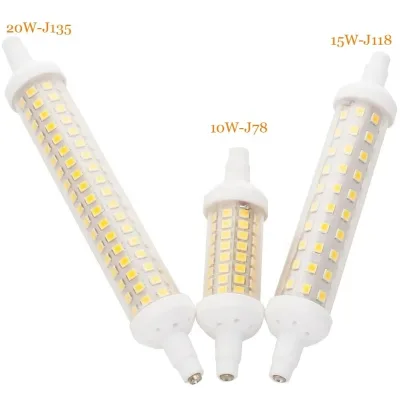
The current market landscape for led halogen housing and related components displays a wide variance in product models and physical specifications. Observed data indicates models such as LS211-2, ALP006, and QIH240-3000/VC, which often correspond to specific heating or lighting elements rather than generic housings. For instance, some listings specify a total length of 349mm with a heated length of 280mm, while others detail a 370mm total length with a 317mm heated section. These precise dimensional attributes suggest that buyers are often sourcing specialized internal components that require compatible housing structures, rather than the housing units themselves.
Packaging and origin data further illustrate the diversity of available supply chains. Products are sourced from major manufacturing hubs including Dongguan, Shanghai, and Qingdao, each offering different logistical advantages. Packing methods range from simple PE bags and cartons to more robust Europe standard packing and crate configurations. This variation in packaging intensity often correlates with the fragility of the internal components, such as glass heating tubes or precision machined metal parts. Buyers must assess whether the observed packaging standards align with their internal handling capabilities and final assembly requirements to prevent damage during transit.
Technical Specifications to Verify
Voltage and power ratings are critical parameters that must be strictly verified to ensure compatibility with existing electrical infrastructure. Observed listings show a range of voltages, including specific 240V units and broader 110-240V ranges, indicating flexibility in global deployment but requiring careful selection for specific regions. Power consumption figures vary significantly, with examples showing 3000W and 1500W ratings. These high-wattage components typically require robust housing solutions capable of dissipating heat effectively. Buyers must confirm that the housing material can withstand the thermal output associated with these power levels without degrading or posing a safety risk.
Physical dimensions and end-cap configurations also demand rigorous attention during the specification phase. Attributes such as Sk15 end caps and metal end caps indicate specific mounting and electrical connection requirements that must match the housing design. Additionally, the presence of reflectors and specific wavelengths, such as short wave, suggests applications where directional light or heat is essential. The tolerance levels for machined parts, observed at 0.01mm, highlight the precision required for metal processing machinery applications. Ensuring that the housing accommodates these tight tolerances is vital for maintaining the functional integrity of the assembled unit.
Compliance and Safety Documentation
Certification status serves as a primary indicator of regulatory compliance and manufacturing quality. The observed data frequently cites CE, RoHS, and SGS certifications, which are essential for market access in many international jurisdictions. Some listings also reference ISO9001 standards, indicating a structured quality management system within the supplier’s operations. Buyers should verify that these certifications are current and applicable to the specific product model being purchased, as compliance for one component does not automatically extend to all variations within a supplier’s catalog. Documentation should be requested prior to order placement to avoid customs or regulatory hurdles.
Safety standards and material certifications provide additional layers of assurance for end-users. References to standards such as UL 1598, UL 8750, and UL 1993, although noted with lower confidence in the background data, represent critical benchmarks for lighting and electrical safety. Buyers must confirm whether the housing and its associated components meet these specific safety requirements, particularly for applications in regulated environments like restaurants or industrial settings. The presence of ISO and RoHS certifications also suggests adherence to environmental regulations, which is increasingly important for sustainable procurement strategies and corporate social responsibility goals.
Cost Drivers and Commercial Terms
Pricing structures in this category exhibit a broad range, reflecting the diversity of materials and manufacturing complexities involved. Observed price points span from minimal values to substantial sums, indicating that cost is heavily influenced by the specific model, material grade, and order volume. The minimum order quantity (MOQ) ranges from 1 to 10,000 units, offering flexibility for both prototype development and large-scale production runs. Buyers should analyze the unit cost in conjunction with the MOQ to determine the most economical procurement strategy, keeping in mind that higher volumes may unlock significant price reductions but increase inventory holding costs.
Warranty periods and customization options are key commercial factors that impact long-term value. Listings show warranty periods of one year and three years, suggesting varying levels of confidence in product durability among suppliers. Customization is widely available, allowing buyers to tailor specifications such as voltage, length, and end-cap types to their exact needs. However, customized orders often come with higher MOQs and longer lead times. Procurement teams must balance the benefits of tailored solutions against the potential for increased costs and supply chain complexity, ensuring that the customization adds genuine value to the final application.
Supplier Qualification and Quality Control
Supplier location and origin play a significant role in assessing reliability and logistical efficiency. The observed products originate from key manufacturing regions in China, including Dongguan, Shanghai, and Qingdao. Each of these locations has distinct industrial strengths, with Qingdao often associated with metal processing and Dongguan with electronics and lighting components. Buyers should evaluate the supplier’s geographic location in the context of their shipping routes and preferred freight forwarders. Proximity to major ports can reduce transit times and costs, while established industrial clusters may offer better access to specialized raw materials and skilled labor.
Quality control processes must be rigorously evaluated to ensure consistent product performance. The mention of specific tolerances, such as 0.01mm for steel alloy machining parts, indicates a high level of precision manufacturing. Buyers should request detailed quality control reports and inspection protocols from suppliers to verify their ability to maintain these tight tolerances consistently. Additionally, the condition of the products, listed as new, should be confirmed through visual inspections or third-party audits. Establishing clear quality acceptance criteria and implementing incoming inspection procedures are essential steps to mitigate the risk of receiving defective or non-conforming goods.
Long-Term Procurement Checks
Lifecycle and durability metrics are crucial for evaluating the total cost of ownership for led halogen housing components. Observed data indicates a lifespan of 5000 hours for certain heating elements, which provides a baseline for maintenance planning and replacement scheduling. Buyers should correlate this lifespan with the intended application intensity to determine if the component meets the operational demands of the end-use environment. For industrial applications involving metal processing or casting machinery, the durability of the housing and its internal components is paramount to minimizing downtime and ensuring continuous production flow.
Application suitability and end-use verification are final checks to ensure the product aligns with the buyer’s operational goals. The observed listings mention applications in restaurants, engineering, and various metal processing machinery sectors. Buyers must confirm that the specific housing and component combination is suitable for their intended environment, considering factors such as temperature, humidity, and mechanical stress. Regular review of supplier performance and product feedback from end-users can help identify any emerging issues or improvements. Maintaining a dynamic supplier relationship allows for continuous optimization of the procurement process and ensures long-term supply chain resilience.
FAQs
What certifications do these led halogen housings have?
These products hold CE, RoHS, and SGS certifications. Some models also include UL and ISO standards. Buyers should verify specific certification lists for each model to ensure compliance with local regulations before placing orders.
Can I find customized led halogen housing options?
Yes, customization is available for these led halogen housings. Buyers can request specific modifications to meet unique engineering or industrial needs. Contact suppliers directly to discuss custom requirements and confirm feasibility for your project.
What is the typical voltage range for these units?
The voltage range spans from 110V to 240V depending on the specific model. Some units operate at 240V while others support a broader 110-240V input. Check the product specifications to match the correct voltage for your application.
How long is the warranty period for these products?
Warranty periods vary between one year and three years based on the specific model selected. Some industrial units offer a three-year warranty while others provide one year. Review the warranty details for each product before purchasing.
Where are these led halogen housings manufactured?
Manufacturing locations include Dongguan, Shanghai, and Qingdao in China. Specific models originate from different cities within Guangdong and other provinces. Verify the origin for each product to understand logistics and shipping implications for your order.
What is the minimum order quantity for these items?
Minimum order quantities range from one unit up to ten thousand units. The exact MOQ depends on the specific product model and supplier policies. Contact vendors to confirm the minimum quantity required for your specific purchase scenario.
Which packing methods are used for these products?
Packing options include PE bags, cartons, crates, and Europe standard packing. Some items use carton packing while others require combined carton and crate solutions. Confirm the specific packing method with the supplier to ensure safe transport.